Don Denton and T. J. Watt Exhibition Opening at Dales Gallery

November 14, 2011 | Filed Under Exhibition | 1 Comment 

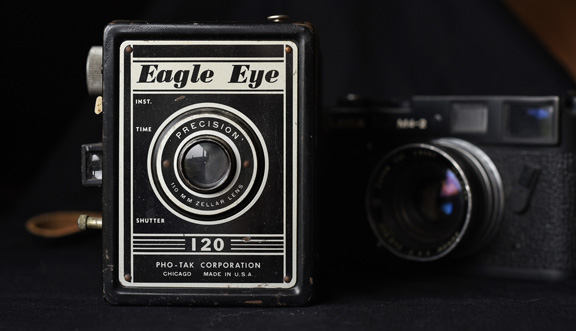
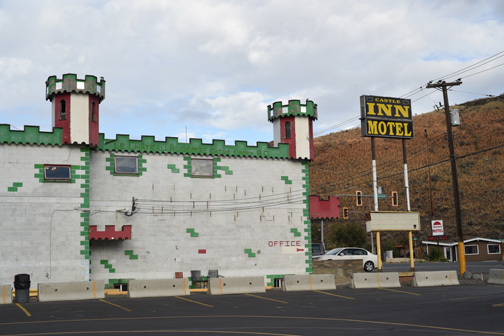
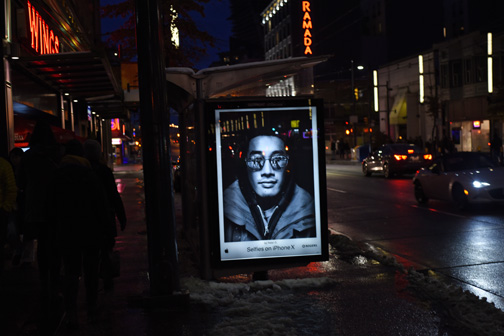
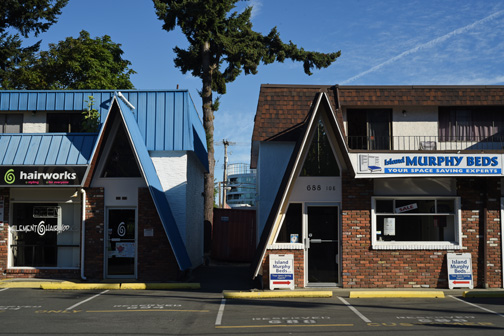
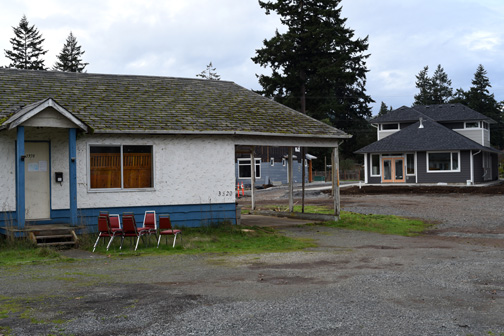
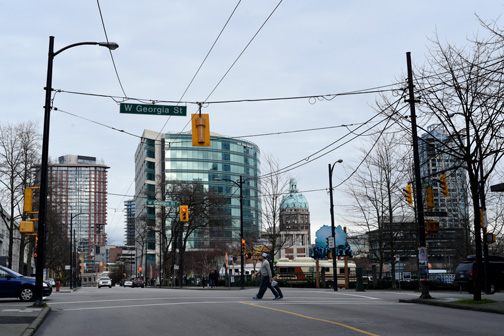
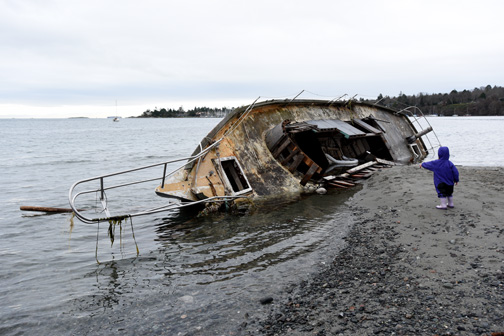
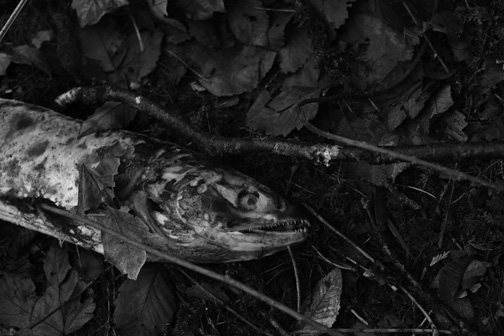
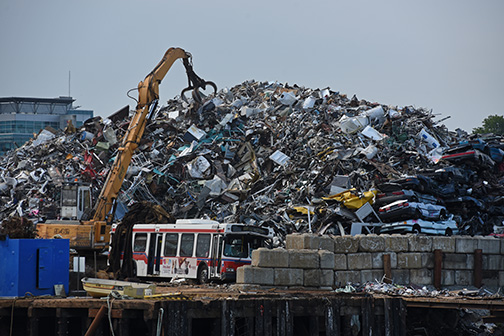
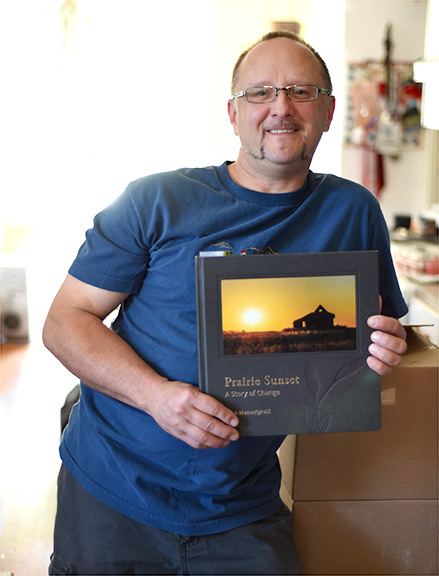
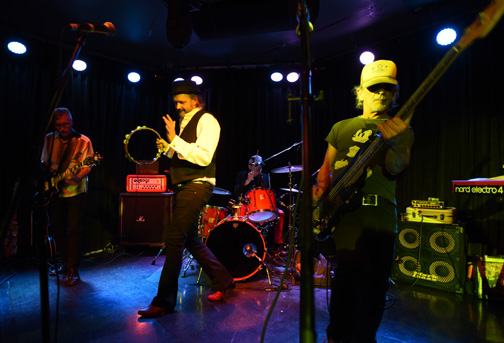
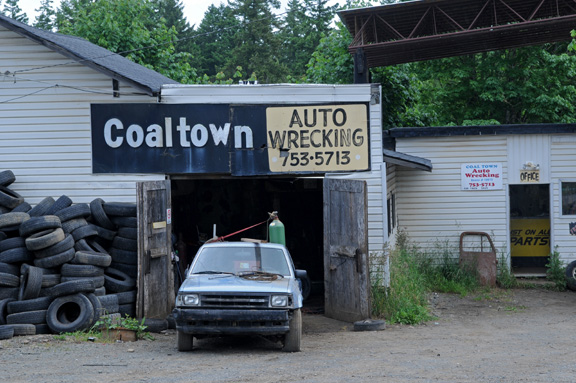
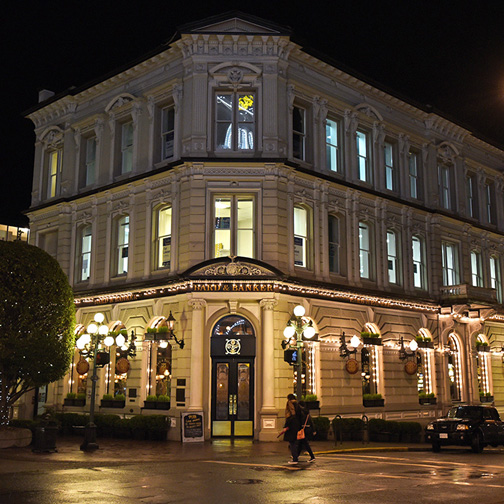
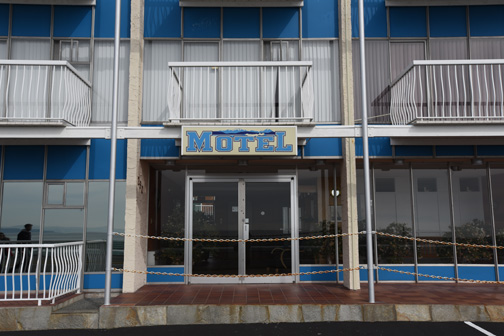
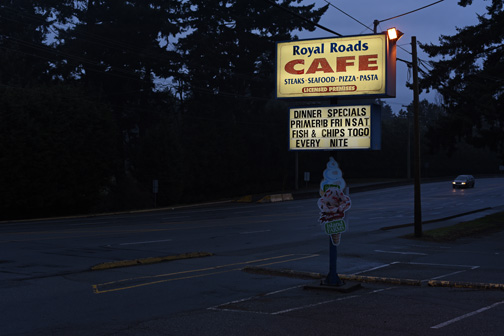
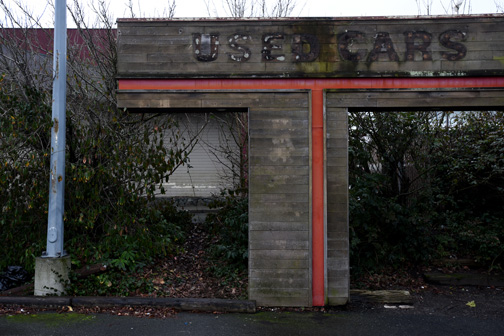
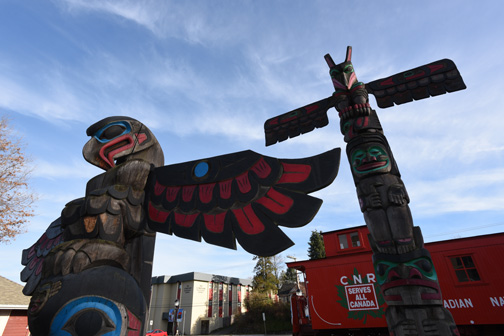
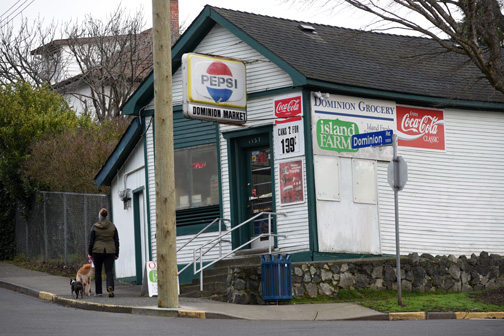
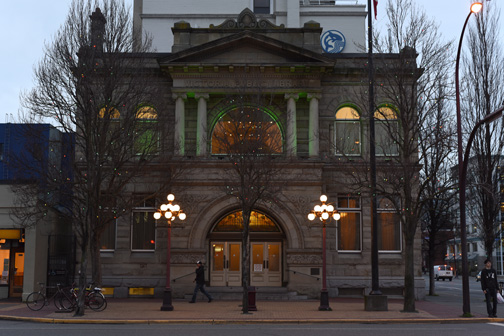
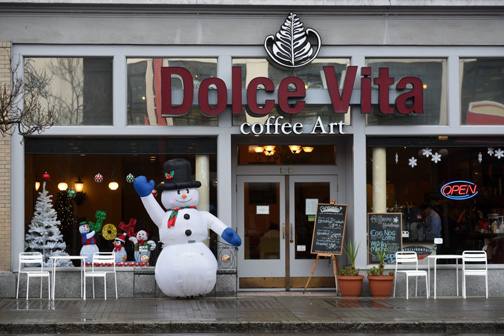
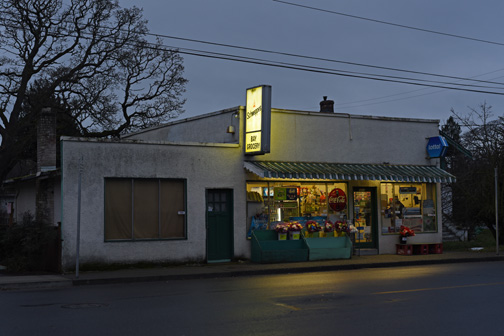
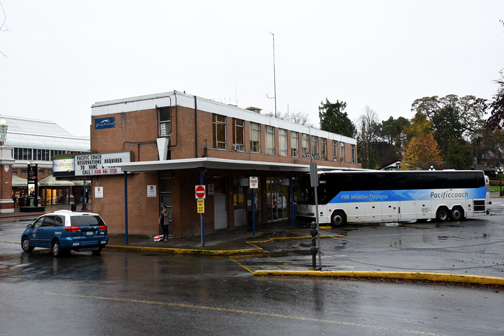
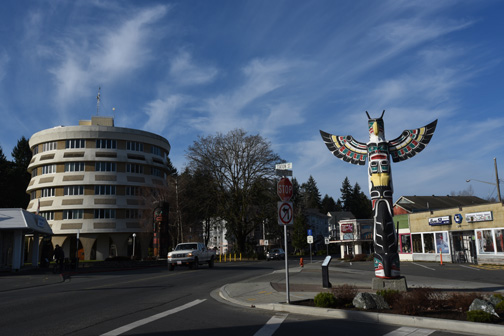
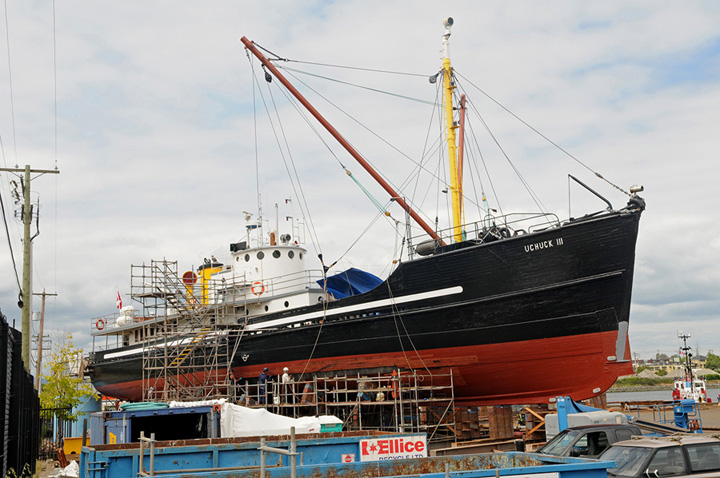
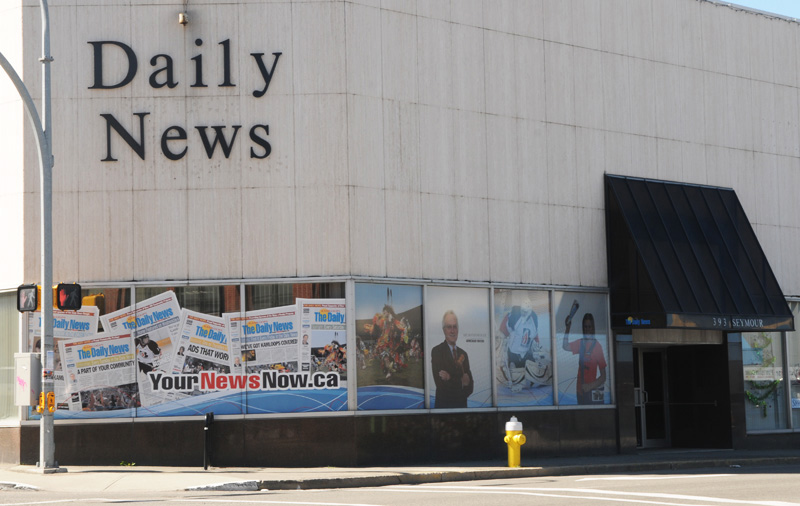
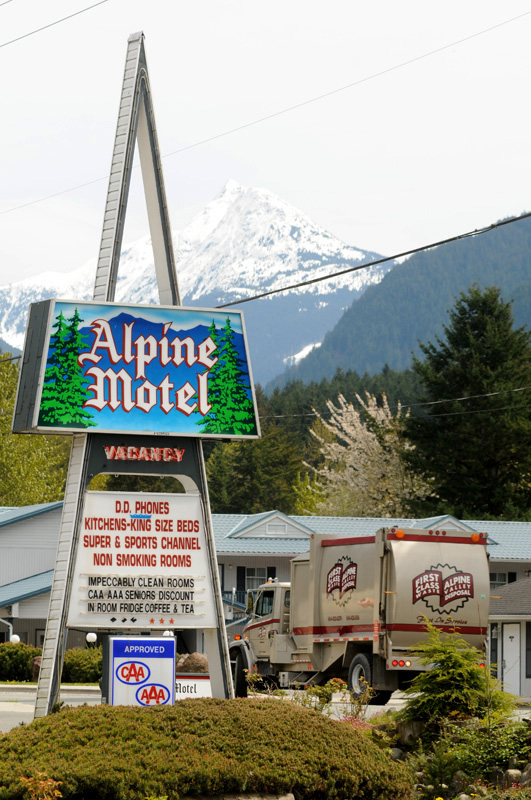
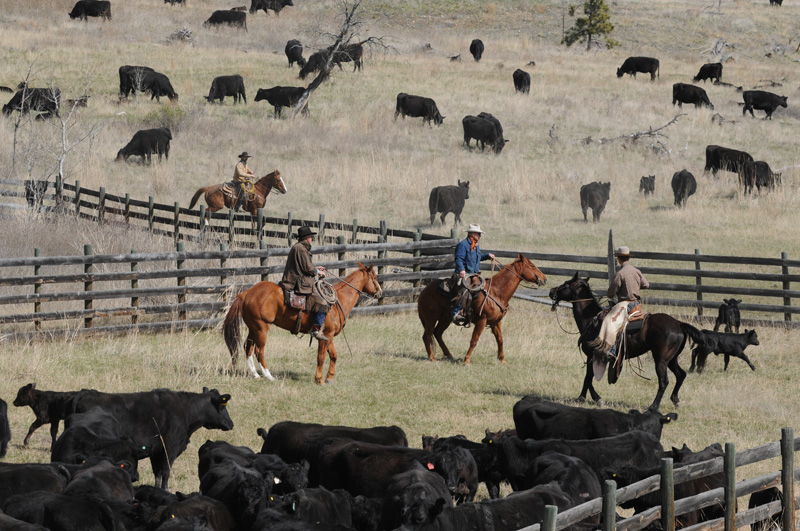
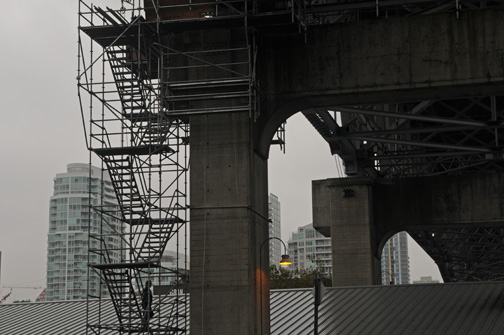
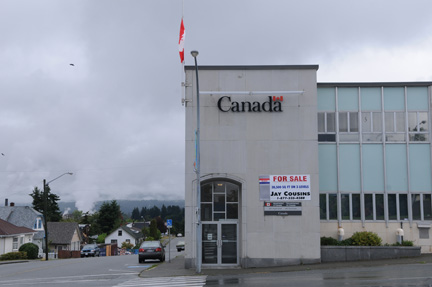
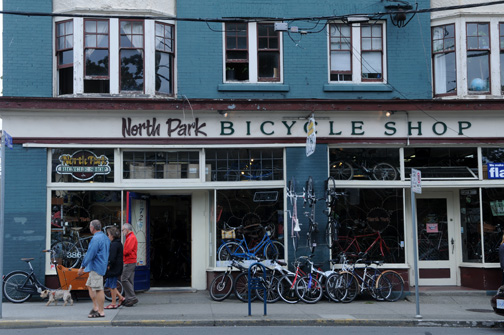
Here’s a few images from the opening last week of  the joint photo exhibition for T. J. Watt and myself called Seeing The Forest For The Trees at Dales Gallery in Victoria’s Chinatown. The show, See The Forest For The Trees, runs until November 25.


Spiderman Gives Good Photo

September 22, 2011 | Filed Under Photojournalism, Photos | Leave a Comment 

The great thing about Spiderman is that as Peter Parker he makes a living as a news photographer so he knows what photographers need. A local radio dude strikes an action pose for photographer Jesse Hlady.


Andy Clark in the Langara Journalism review

August 7, 2011 | Filed Under From the Newspapers | 1 Comment 

The Langara Journalism Review has an excellent interview with Vancouver-based Reuter photographer Andy Clark. I can’t find an online version so you’ll have to search out a hard copy on your own. Interview was done by writer Leasa Hachey and photographers Jorge Posada and Lina Zarate. I think Hachey does a nice job of capturing the essence of Andy although I’m not sure how he felt about the one description of him as a symbolic grandfather. A few interesting facts I didn’t know including that the late great Canadian journalist Greg Clark was his grandfather. Greg Clark is probably the first journalist whose stories I looked for as a kid.


Philip Blenkinsop, Norman Mauskopf, Light Hunting and other inspirations

July 4, 2011 | Filed Under Personal | 1 Comment 

Micah Escamilla had her Facebook status yesterday as Light Hunting which I thought was probably a perfect permanent status for any photographer.

I have this poster for a workshop with Philip Blenkinsop on my bulletin board, not because I’m going but because I wish I was. The image alone will have to serve as inspiration.

If you’ve got a documentary bent and want some more inspiration then check out the interview over at Smogranch with Norman Mauskopf. It’s been up for a couple of day but if, like me until I read this piece, you don’t know Mauskopf or his work it’s worth checking out.


Interview – T. Reilly Hodgson

February 20, 2011 | Filed Under Interview | Leave a Comment 

1. Give us a brief bio of T. Reilly Hodgson and tell us what the T stands for.

I was born in 1987 in the suburbs of Toronto. I’ve gone to school at Emily Carr University in Vancouver for fine arts/ printmaking and OCAD University in Toronto for photography. The T is for Thomas but I don’t use that name.

2. How did your fine art schooling affect your work? Would you recommend that route to someone else wanting to become a fine art photographer?

I think art school has taught me to try to slow down and be a bit more patient with my work, which has been a good thing. Otherwise, I’m still on the fence about it. I’ve gone to and left two of the more esteemed art schools in the country for two different programs and found that neither of them really left me feeling very satisfied. If you’re talented and truly passionate about your craft I don’t think its essential. You’ve really got to want to be there considering the amount of money it costs to go and right now I’m getting more done out of University than I was when I was stuck in classes writing papers.

3. Your photographs seem to be about your personal world. How do you classify yourself as a photographer (documentary, art) or do you?

My majority of my photos are candid shots from my every day type of life, its true, though I’m not sure exactly if I could classify myself like that at this point. There’s an element of documentary in a large amount of my work but there’s a lot more to it than that for me. I do want to make pictures that are artful, that’s for sure, but I’m also interested in the way that memory works. I use photos to express something in the same way I might use a drawing or painting to express something, but at the same time, I know that if I end up with kids in 20 years these photos are going to be how they learn about me, the same way I learned about my family pouring through boxes of their old photos. That’s a pretty fucked up thing to think about. I can’t do that with a drawing. I’ve got to one-up shots of building the CN railway west across Canada, guarding the King in England, commanding tanks in WWII, and racing horses in the 50s and 60s. Its all the same story.

4. Can you describe what you’re trying to do/show when you photograph?

What I am trying to do when I photograph can change when my subjects change, but to be honest, it’s a sort of selfish pursuit.

5. You’ve created a number of zines featuring your work. What appeals to you as a photographer about these small magazines? How do you create them?

Zines are a really nice and inexpensive way for me to share my photographs with other people, friends, magazines, curators, art directors, etc. I like self publishing because of the total freedom I have with my work. Since I shoot film the few dollars I make from them also helps pay for that. How I go about making a zine depends on what the project is, but I try to do as much of the work myself as possible. I do all of the design and layouts myself, either print them at home or a local print shop, and get into a studio wherever I can if there is any extra silkscreen or letterpress work involved.

6. You were recently involved in a group show in Toronto, what was that experience like?  Were you involved in organizing it?

I assume you’re talking about the Born Into This exhibition. I had a really great time doing that show! The people from The Cheaper Show and Scion gave me a grant to curate an exhibition with my good friend Dimitri Karakostas. We put together work by some of our favorite photographer and artist pals from Toronto as well as pieces by people with ties to the city who we really admire. It all came together pretty nicely and we opened to a full house, I think everyone was happy about how it turned out except the gallery’s landlord. We painted the walls with a pesticide sprayer.

7. On your blog(s) you often feature other zines sent to you. Can you talk about the photo zine community, or at least how you are involved in it?

I got into zines when I was in the 6th grade. I was aware of punk rock and skateboard fanzines through going to local shows, but I was really captured by the stuff I could get through the mail. I was ecstatic about graffiti when I was a kid, and even though the internet was around, at that point everything was all message board based so if you wanted to see anything really cool you’d try to hook up picure and zine trades with people in other cities. Especially living in the suburbs, they were the only way into those subcultures. Youtube didn’t exist, Banksy didn’t exist, and Nike wasn’t paying writers for logos yet. Now days everyone is connected and it seems like everyone is a “photographer” and everyone has a zine. I post zines on my blogs both to help my friends’ sell their stuff and also to share some of the things that are printed in limited runs. Thousands of people can look at a zine online even if the 50 physical copies of it have sold out.

8. You also seem to use Flickr a great deal and many of your online links lead to other photographers’ Flickr pages. Some photographers seem to dislike Flickr but you embrace it, why?

I think a lot of photographers don’t like flickr because they’re afraid someone is going to steal their work. The reality is that 98% of what is on Flickr is garbage, some of my work included, and the chances of someone being able to profit off of your tiny 72dpi image is slim. You are not a master, people probably don’t even want to look at your pictures, let alone steal them. All that said, Flickr and sites like it are a tool and there is a very large audience there if you know how to use them. I’ve been published a few times based on the fact that someone saw the pictures on my flickr account and got in touch. The pros outweigh the cons, if you ask me. People take the internet too seriously.

9. What will you be photographing next?

One of my teenage friends got a poisonous snake recently, so probably something with him. I just watched a video about those pastors in the states who handle rattlesnakes because they think that the power of god protects them, that kind of stuff is ridiculous.

10. You seem, at the very least, ambivalent about life in the suburbs. How does that show up in your work?

I think that’s a good word for it. On one hand, I’m living at my parents’ nice house in a safe neighborhood with a nice dog and we get along and that’s all great, but on the other hand I’m stuck in a town that’s designed so that nothing interesting ever happens. There’s nothing much to do if you’re young and don’t play sports and so you end up with huge groups of kids who just want to drink and deal drugs and vandalize and steal cars. I grew up hanging out around the train tracks and going to shows with skate punks, so I guess I got the best of both worlds. There’s a really fine line between youthful rebellion, suburban excess and kids on the edge of nihilism and I think that’s what I am interested in.

11. Do you think you may move from producing zines to producing larger books?

I’m definitely interested in doing books in the future. It’s something I’ve always thought about, I’m just waiting for the right project to fall into my lap at the same time as the budget to make it happen.

12. Finally the big question, where do you hope your photography will take you?

Out of my parents’ house.

You can check out more of  T. Reilly Hodgson’s work here.


Claire Martin – Interview

January 26, 2011 | Filed Under Interview | Leave a Comment 

1)    Please introduce yourself. Who is Claire Martin?

Just a girl from Perth Australia, nothing special bout that really :)

2)    You?re in Haiti right now. What are you doing there?

Every now and then I feel compelled to sink my teeth into a personal project or give myself a new work challenge, where I can follow my own
story and develop it in my own style. I have always intended to work within an international market and I felt I had to get out of Australia
and photograph something that is internationally relevant. So aside from these self indulgent urges to further my international career, I actually
care to tell the story of those displaced by the tragic earthquake. When I first heard about the earthquake I felt an instant urge to go, but I
restrained myself because there was already so many media people there reporting. I figured I could potentially be more of a strain on their
fragile infrastructure and do more harm than good, so I decided to postpone and look at it from an aftermath perspective. Although the
international media would loose it’s attention span for Haiti, the suffering would be around for a long time! I am focusing on life in the
tent cities. Much of my work to date has focused on marginalized communities and internal displacement and the culture of these tent cities
resonates with these themes that run through my work.

3)    Last year you won the Inge Morath award for your essays on Vancouver?’s Downtown East Side and California?s Slab City. Let?s talk
about the first essay. What is your connection to Canada and how did you end up photographing in the Downtown East Side? Can you talk a little
about the main image we’ve seen from that essay, of the man eating who seems somehow to be both emaciated and yet very muscular?

I moved to Vancouver with a 1 year work VISA just for something to do. And the “Cheap Hostel” I booked online turned out to be practically one of the
half way homes on the border of the Downtown East Side. I wasn’t practicing as a photographer at this point, I had just taken a bunch of
photo’s during my travels. At this time I wasn’t thinking about telling stories or making comment on anything but I kind of knew I wanted to do
this type of thing, and when by chance I landed in this community I knew it would be a story I would want to tell. At university I studied Social
work and have always been interested in working with the marginalized people, and I’ve witnessed the problems of addiction personally so I felt
I it was a story I could tell if I tried.

About Tony? I met him and we just had a rapport. It’s a great thing when you meet someone who really want’s their story told and who is uninhibited
in front a camera. Tony was 50 at the time and had been addicted to Heroin for over 25  years. He has AIDS and lost his wife to an overdose. he also
had twin girls who were born HIV positive and were taken away by the state shortly after they were born. Despite these addiction induced problems he
is unable to quit using. In the photograph he is eating cream pie that I brought for him. I recently had an email from a woman who works in the
DTES who saw the photo and knows Tony, she gave me an update on him. She said “He is battling with AIDs and his brother has Leukemia and has
recently been in and out of the hospital.  We haven’t seen Tony since before Christmas, so I don’t know how his brother (or him) is doing now.
We have seen Tony go through rehab and gain 20 lbs and slowly deteriorate again. “
I sincerely hope he is ok. He really wanted to be a a good person but his addiction compromises his ability to be this way.

4)    How much time did you spend on both essays?  It seems it would take a great deal of time to build up the rapport and trust to make the
intimate images you did.

Well, the Vancouver series I shot in my spare time. I was working as a chef and would hang out down there on some of my days off. I was shot over
maybe a year? But the progress was slow as I had never done this type of photography before. At first I didn’t even really know how to approach someone and ask for a picture. I was lucky to find a friend and mentor at the same time (Lung Liu – Amazing photographer) who trained me in visual story  telling and introduced me to the work of today’s documentary photographers. It’s through studying others work, that I have learned about the way I want to shoot.

The Slab City series I spent about 6 weeks camping in the community with intermittent “sanity and sanitation” trips to LA. It seems a long time and
hopefully I have more confidence in my ability to create stories on a tighter time frame than this now, but rule of thumb, the more time you can
invest, the better and more authentic the outcome.

5)    What did winning the Inge Morath award mean to you? How did it affect your career?

I was just reading a BJP article about funding work through grants, I could pretty much copy and paste it here to elaborate. I’m still in what
I’d say is the “emerging phase” of my photographic practice even thoughsaying that makes me sound like a wanker …. I’m not at the level that
this guy is at, but it’s the same principle. Here’s a link to the article

http://www.bjp-online.com/british-journal-of-photography/feature/1938739/tips-2011-writing-grant-application (Article is by Don Weber)

So basically, yes, it’s fantastic because it gives you credit, cash and material for your CV, but it also means you have to work harder to keep
proving it was worth it for me to receive it. At first I thought with one award people would be knocking on my door. The press from various awards
has indirectly brought assignments my way, but it isn’t a magic wand, it’s a link in the chain.

6)    2010 appears to have been a very good year for you. You were accepted as the newest member of Oculi, the Australian collective. How did
that come about and why did you want to be a member of Oculi?

I had never worked as a photographer in Australia prior to returning home from my time over seas, so I really had no idea about the industry there.
I’d looked at what was going on and saw that Oculi was really the only collective working predominantly in a documentary style. They also have a great reputation with award winning photographers and distribution through Agency VU and Redux. I’d always worked on my own but felt it was time to join up with others and be in an environment where I can learn from my peers. I didn’t bother contacting them about membership because I figured
they were exclusive, but they saw my  work exhibited at Foto Freo, an international photography festival and invited me to join. I was thrilled
because they view photography in the same way I do and it’s quite rare. Most agencies are very commercially based.

7)    Australia and Canada have a lot of similarities, both are Commonwealth countries with decent economies and educational standards.
Australia, however, on the arts front, seems to have far more galleries and institutions devoted to photography.  What do you think? Do you see
more support for photography in Australia?

Haha, I’d say this is a case of the grass is greener syndrome… I honestly think Canada and Australia are really very similar in a lot of
ways. Arts scene or lack there of, included. Then again, there are a few great festivals here and some large photography prizes. But really I think
it’s about the same. The benefit here is that it is a small scene so if you’re doing good work and putting it in front of the right people, you will
be recognized.

8)    You have three essays on your web site, Downtown East Side, Slab City and Salton Sea. The first two are about people while Salton Sea seems
to be about landscape and remains of previous existence. What appealed to you about the Salton Sea?

I like the surreal and the unusual. I don’t always want my work to be too literal. I also like things that are good and bad in equal measures. I
like to show ying and yang in in my work. Not things that are just pretty, or just dark. I like the complexity of the balance and as a landscape this
area has that same duality that I look for in communities or in people. It is really a very ugly place, stinking of rubbish and left derelict and
unwanted, but with all the natural beauty of a desert lake landscape. It’s a visual contradiction, this a more interesting landscape to me than  one
that is just pretty. It also has an interesting historical and environmental story.

9)    Crowd sourcing, an alternate source of raising funds for projects, has started to become popular recently. You are currently using the
IndieGoGo site to raise funds for work in Haiti. Why did you decide to try this route and how do you feel about the results so far?

Honestly it has taken a while to come around to the benefits of social networking and marketing your work in this way, but I’ve realized that I
can’t fossilize with the dinosaurs and that I need to have a modern and diverse business model in order to survive in this industry. I researched
it a little and saw that there was a high success rate for funding, that many reputable photographers are funding their personal work in this way
and that the system is based on commerce, not charity. It is through the pre-sale of limited edition prints that I fund my project, so there is a valuable exchange. I am happy with the result so far. I hope I can reach my goal! (Claire’s IndieGoGo link)

10) Finally, can you talk a little about how you work? Do you do a lot of research before you begin a project?  Do you work with minimal equipment
or do you carry lots of backup gear? How do you know when you?re done?

Well the work on my website is personal work, so I have complete authorship over the content, the way the story is told, the visual style,
etc and I really love to shoot this way. I love to tell stories the way I see them as oppose to translating another person’s vision, which is what
you often have to do when on assignment. I have my own unique way of seeing a situation / the world and to me it really is story telling and
I’m the author. As it’s documentary work, I’m allowed to have a perspective and an opinion and for the work to be emotional which is
frowned upon is straight journalism which is supposed to be objective and based on facts and events. By way of research, honestly I don’t do too
much. I usually try and put something together. I always have an idea of the story I will shoot, but it ALWAYS changes completely when I am
actually shooting. I go in with an idea and a plan, just so I at least have a point to be there, but I always expect the outcome to be different.
I’m quite opportunistic and intuitive in the way I work.

Re: Equipment. I’m a minimalist. One body, one lens, one tripod, maybe a flash, sometimes
some filters. I hate carrying too much shit around. I feel like a pack horse and not a photographer. It gets in the way for me. I work the shots
to the equipment I have as oppose to the other way around. Mostly I’m done when my time is up – when my plane leaves. I look forward to trying to
find a local project I can keep returning to over a period of years. There’s no need to rush personal work.

You can find more of Claire Martin’s work here.


TJ Watt – Interview

January 11, 2011 | Filed Under Interview, Photography | 3 Comments 

1) Who is TJ Watt?

Born, raised, and living in beautiful Metchosin, BC, he is on a quest to protect BC’s world class ancient forests through visual media and public outreach. He spends his free time skateboarding, climbing trees, dancing through the night, and staring curiously at the stars.

2) I think it’s safe to say your photography is mainly related to your interest in environmental protection. Can you explain why?

Well it seems to have evolved naturally in that direction over the past few years. It’s basically a melding of my interest in landscape photography with my strong passion for conservation work and exploring the wilderness of BC. Instead of just taking pretty pictures I started to see it would be much more valuable if they served a higher purpose at the same time. Photography is a very powerful tool for raising environmental awareness in many ways but I think one of the most critical points is its ability to bring very remote or hidden places to the public’s eye. My work focus’s mainly on the threats to BC’s endangered old-growth forests and often times I am taking photos where less than and a handful of people have been if any at all. The dense rainforest’s of Vancouver Island are largely unexplored so it’s amazing to share images from these virtually unknown places. If you can’t bring the 4 million plus citizens of British Columbia to the woods then you need to bring the woods to them and now, with the power of GPS mapping and Google Earth, you can extend that concept to the entire world.


3) You’ve actually, with a couple of others, started your own environmental group. What is the focus of that group and how did it start?

At the start of 2010, Ken Wu, the former Campaign Director for the Western Canada Wilderness Committee along with myself and a few other activists launched a new ENGO called the Ancient Forest Alliance. In our first year we have become the fastest growing environmental group in Canada with nearly 20,000 supporters joining on with us. The organization’s goal is to be the driving force in the fight to protect BC’s endangered ancient forests and forestry jobs. We’re pushing to see old-growth forests protected where they are scarce such as Vancouver Island and the Southern Mainland, a transition to sustainable second-growth logging instead, a ban on raw log exports, and the creation of more value added wood manufacturing facilities. Our group differs as well in that we chose not to have charitable status which allows us to be much more political. We are exercising that power in one way by helping start Ancient Forest Committees that will work in key provincial swing ridings to put pressure on politicians around their forest policies. You can find us on Facebook, on Twitter, and at www.ancientforestalliance.org  Don’t forget to sign the petition as well at www.ancientforestpetition.com !


4) You work in some fairly difficult terrain and the west coast forests can be both wet and dark. What are some of your photography challenges?

That is true! As beautiful and enchanting as the temperate rainforest is, it has its many photographic challenges. The first and foremost struggle is just moving through it. Next time you’re on a boardwalk in Carmanah Provincial Park or the rainforest trail in Tofino, take a look off to the side and imagine bush whacking through the under story while carrying 30 pounds of gear with you. The forest can be incredibly dense with 6ft tall salal bushes, sharp branches poking your eyes, steep slippery cliffs, sinkholes, and not to mention giant fallen trees that even on their side can be twice as tall as you and over 200ft long. It’s perfect leg breaking territory. The second test is found in the name rainforest itself. Rain! Lots of it! Trying to keep yourself and your expensive gear dry is at times impossible and makes changing lenses, batteries, and memory cards a scary task. The last challenge might sound off but it is the sun. It seems strange to complain about it after whining about the rain but it can be just as frustrating. The patchwork of openings in the forest canopy causes the light to be very mottled on the forest floor. The contrast from light to dark is often times too wide a range for the camera and makes for a very distracting scene. The ideal day is overcast with the sun just about shining through right after a light rain shower which gets everything rich in color.
Oh, and a tripod is a must too!

5) Your work is about the west coast landscape, are there any other areas in the world you’d like to photograph?

To be honest, I am quite obsessed with the forests of BC and could be happy taking photos here forever but if I had to choose some other places I might say somewhere like Iceland. I love its dramatic and desolate landscapes, giant mountains, and exploding volcanoes. It almost appears from another planet. Recently I was down in Argentina and Chile and crossing the Andes was an incredible experience. It’s like getting a trip through canyons on Mars. The red, yellow, and black color of the soil in contrast with ice blue glacial lakes was just spectacular. I would also find it fascinating to photograph in abandoned urban areas that are slowly decaying and being reclaimed by nature. It’s a great reminder of our own impermanence.

6)  Are there other photographers whose photography is centered around protection of the natural environment that you admire?

Most definitely. In this province the work of people like Garth Lenz and Ian McAllister really stand out. Garth has documented BC’s rainforests and the effects of industrial forestry for nearly two decades and has more recently focused his aerial photography on the Alberta tar sands. It was exciting to have him as a teacher at Western Academy of Photography and I was happy to hear he was recently accepted into the International League of Conservation Photographers. Ian works with a group called Pacific Wild and has done an absolutely stunning job of photographing the wildlife in the Great Bear Rainforest on BC’s coast. His shots of wolves and grizzlies are breathtaking and have helped tremendously in raising awareness about the complexity and fragility of that areas ecosystems.

7) Do you do any other photography to supplement your environmental work?

In the sense of weddings or advertising, etc, no. It doesn’t really work for me. If I can find a way to make a personal connection with a project, even if it’s out of my usual field, I may try to take it on. It can be a fun new challenge stepping out of the norm for awhile but I mostly stick to my main focus.
I find that most of my interesting new experiences come from the combination of my environmental campaign work and my own photography leading to opportunities I may have otherwise missed. With the power of the internet people from all over the world can stumble upon your images and next thing you know you’re on to something new as well.

8) Most photographers have personal projects. You photograph abandoned mattresses. Tell us about that?

Haha, yes. I have a thing for abandoned places and objects. The collecting of mattress photos started while I was living in Toronto for a year and one day noticed just how many were strewn about the streets and alley ways. It was like they had been invisible before I became aware of them and then they were just everywhere. I think what I find most interesting about them is that you never see anyone in the actual process of abandoning one. You will be driving down a rural road somewhere and there will just be one looking shiny and new leaning up against and old rotting fence. Or there will be one out alone in the middle of a soccer field with the spotlights shining eerily on it at night as if it just teleported there. Even though I am sure people dump them in a hurried or careless way, each one ends up taking on its own unique aesthetic as to how it fits into the scene. And then they just disappear.

9) You also buy old cameras from thrift shops and process any film found inside. Why?

I haven’t done this in awhile but it sure is fun. I find it odd that people could leave film inside a camera and toss it away with their pictures inside it. Maybe they forgot or just didn’t care but for me it becomes a surprise peek into another world. It’s really like reaching into a stocking on Christmas because you just don’t know what you’ll pull out. I have found some pretty funny photos in the rolls. I’m sure many of them seem funny though only because you don’t have any context for the scenes you’re looking at. You find some beautiful ones too like this one roll of old expired disc film that had someone’s travel pictures on it. There were these lovely scenes of fields with rainbows, giant mountains, and old buildings mixed with all the distorted colors from the old film. It would be great to put a collection of them together for a show.

10) What will 2011 bring for TJ Watt?

That’s an exciting thought! I’m really hoping it brings plenty of adventure and opportunities to work with more new and interesting people doing progressive things. 2010 was the most exciting year of photography for me so far as working with the Ancient Forest Alliance has finally allowed me to really focus on what I love instead of doing random jobs and trying to run out into the woods on weekends. We have plans to undertake many more expeditions into the valleys and forests of the mid and north of Vancouver Island. There really is so much more to be explored out there. A couple of books should be in the works as well along with the startup of a new eco-tourism based business I am working on. Keep your eyes peeled!

You can see more of TJ Watt’s work here.


Tim Van Horn & The Canadian Mosaic Project

December 31, 2010 | Filed Under Interview, Personal Project, Photo Studios and Work Spaces, Road Trip | Leave a Comment 

I met up with photographer Tim Van Horn for a coffee today but forgot to bring a mug so I was out of luck. When you live in a small camperized van, room for everything, including extra dishes just isn’t there.

I don’t know how you’ll be celebrating the new year but for Van Horn  Jan. 1, 2011 will mark 27 months on the road for the Alberta photographer and he’ll celebrate that milestone in Victoria. The 41-year-old photographer has been traveling across the country in his van photographing Canadians, 5000 so far, for his Canadian Mosaic project. His plan is to stay on the road until he captures 25,000 portraits that he will use to create a giant Canadian flag mosaic in time for the country’s 150th birthday on July 1, 2017. Van Horn, who has travelled from Newfoundland to Nunavut for his project, expects to spend the next few weeks in the greater Victoria area.

You have to admire Tim as he is doing what so many of us talk about but never get around to actually acting on,  hitting the road and just working on a project, taking photographs everyday.

His work can be seen at http://celebratecanada.wordpress.com/.


Colin Corneau – Interview

December 13, 2010 | Filed Under Interview | Leave a Comment 

1) How did you become a photojournalist?

The short answer is dumb luck. The longer answer is that I grew up always having a visual aptitude. Before I discovered cameras in high school it was drawing or sketching but that always seemed too slow. I’m only half-joking when I say I took up photography because I was too impatient to create a picture by drawing.
I was very lucky to have ended up going to a high school that offered a solid vocational program in photography; around that time, I became really fascinated by the idea of a photojournalist or a newspaper photographer — nothing else could possibly be as interesting as portraying real life, and things that were actually happening.
Those early days gave me the technical ability to understand how to take a picture and it pretty much was a process of learn-by-doing (ie. a million mistakes) over many years that I learned how to make a picture.
One other big stroke of luck was being in Winnipeg at a time when both newspapers had a lot of great photographers on staff. Every day I got to read the paper and see what these familiar names were doing, and that just made me want to do it more. I eventually got to know most of those names and I’m very grateful for what they taught me, mostly by quiet example.

2) You’ve worked quite a while in Brandon, Manitoba. It’s a smaller city and somewhat isolated, so what’s kept you there?

I love being a photographer at a daily newspaper. That fascination with portraying everyday life is still as valid and strong now as it was long ago. I also appreciate stability and security; I think that once basic needs are met and secured, I can then branch out and explore other interests and projects sustainably over a longer term.
There’s been plenty of angst and worry, wondering if I’m missing out on the wider world this way. But in going to conferences and talking to other photographers over the years, it occurred to me that the things they complained and worried about were remarkably similar. I’m not sure there’s any peace in this world, but I do think you can choose to be happy and fulfilled wherever you are. In recent years, I’ve honed my thoughts about the meaning of community and that’s from familiarity — those are two words that inform a lot of what I photograph and why.

3) Like many photographers you have personal projects on the go. One project you’ve been working on for a while is China. What’s the attraction there for you?

It didn’t start out as a project but I guess like the best ones, it evolved into that. I’d probably use the word “exploration” myself. I simply was curious about something and set out to learn about it. I talked to people, read as many books as I could find, devoured all the articles I could about China and Chinese culture. It was a pretty easy subject to be captivated by — an ancient culture undergoing unprecedented change, with unheard-of speed. The recent history alone of China is astounding — epic and tragic on a scale we can’t imagine here.
Just like my education in photography, I found a few happy coincidences soon into my journey. One was an exchange at the university here in my city, where a professor from Nanjing came to teach Mandarin language classes. I signed up, but ironically was interrupted by my first trip to China in late 2002. I had friends there, which helped a lot.
Step by step, over the years, one thing led to another. Since I interpret the world through photography, it was only fitting I’d apply that to experiencing China. I found a subject that I was constantly interested in, and the images I made there are very special to me, even if there was never any particular plan in making them!

I think most photographers are curious about the world. I’m curious about China and so it’s been very rewarding to combine two big passions.
4) You shoot film for the China project. Why?

When I first visited China, we only had film cameras. I’ve shot a little bit of digital over there since, but mostly it’s been film-based. When I go to China, it’s for me…I’ve never been hired or commissioned to go there (but would love that), and I’ve relied on my personal holiday time from my work to do so. I’m not complaining about that — on the contrary I’m grateful to be so lucky to have a job that allows me to pursue this interest.

Film feels tangible to me, it feels substantive. Maybe it’s just psychological but I approach things differently when I use film — perhaps more slowly or methodically. Maybe it’s just nice to have a little extra reminder that I don’t need to rush to meet a deadline. The tools themselves are different (lenses, cameras) and so the image, naturally, looks unique. That’s a big part of it.When I use film, I’m doing something for me, on my time and on my terms. It seems to set things apart, in my mind. I also like crafting an image in black-and-white, with all the rewards that come from manual labour. And, interestingly, it’s not that much extra labour, when you factor in the whole process of digital imaging from start to finish.
I’m no Luddite, I just think the world is a big enough place for both mediums.

5) Sometimes you work with a panoramic camera. What appeals to you about the format?

I’ve worked with a Widelux F7, for a series of images that eventually became an exhiibition of China photographs. I now have an XPan camera — both shoot regular 35mm film. Not every situation ‘feels’ right for this format, but it’s one that seems to suit much of my impressions of China. On a basic level, I feel like there’s so much going on in China that I can’t fit it all into a normal format.

I also really like the idea of breaking out of boundaries normally imposed on photography, even if only in format size. So much is made of new lenses, sensors, and other details of cameras that few people ever realize they’re locked into what manufacturers determine for them. I suppose a person could stitch together separate images digitally, or crop a commonly-proportioned image dramatically, but that’s a pale imitation, I think. A panoramic camera sets out from the start to make a specific kind of image — that’s what I’m interested in, because I think at certain times that’s what’s in front of me.

6) Do you print your own images? What process(es) do you use?

I do ‘wet print’ my own images in the darkroom, although I don’t want to limit myself to that. As I said, I love the craft of making a photograph by hand. I have a lot to learn about that process, but when it’s done right there’s nothing like it. They’re true individuals, each print — especially when you tone the images, as I like to do with selenium and mild sepia. Most of my photographs shot on film are printed this way.
There’s no crime in involving digital processes, to make a hybrid workflow. It depends on each image — there’s no point in retreating to stubborn dogma…whatever works, is what I’m interested in. For those times I scan in images (or for images made on a digital camera) I enlist the help of a few terrific commercial photographers I know here in Brandon, and their printers. I just can’t afford those things right now.

7)    Do you have more trips to China planned?
I know I’ll go back sometime, but for now it’s probably best to pay off the bills from the last few times I went there!


8)    You’re also shooting images in Brandon that are separate from your newspaper work. Can you tell us about those images?

This is my latest project, and it’s been going on for a little over 2 years now. I live in my city’s downtown, and walk to and from work each day. I got to know the community (there’s that word again) from walking daily and thought I should carry a camera to capture some of the odd things I’d see occasionally.
My favorite focal length is a 35mm lens (in 35mm format) and as cliché as it sounds for street photography I thought black-and-white film felt right. Partly, this was because I could work on it myself on my own time, and partly because of what I mentioned about my China photography — the notion of making it separate and distinct from my day-to-day work.
There was no plan or idea with this project at the outset. I simply did it for the joy and fun of making pictures…I guess it was the photographic equivalent of doodling absentmindedly on a sheet of paper.
Over time, I noticed more and more ‘moments’ and thought I may as well do something with it all. I’m still not totally sure what, exactly, that would be but for now I’m putting them on my blog (www.reservedatalltimes.com) and I think it would be fun and useful to do an exhibition at some future point.

I’ve been inspired a lot by the street photography of Fred Herzog, in Vancouver and especially John Paskievich of Winnipeg with his terrific book “The North End”. I don’t kid myself about coming close to that level of work, but I do like the idea of preserving a community and a time. It seems a lot of photography is, at one level or another, about fighting back against the relentless tide of time erasing everything. Well-crafted and passionate photography can let us hold a moment and examine it later on, and things we’d otherwise forget or even belittle can have a second chance.

On that point, I also remember a scene from Canadian graphic novelist/cartoonist Seth’s book “It’s a Good Life If You Don’t Weaken”. He had a “walk in the snow” moment where he realized his love of abandoned, decaying old buildings was tied to his lamenting the passing of time. I’m not sure if I’m quite that nostalgic, but I think that urge is behind a lot of this type of photography.

9)    Are there any other projects you’re working on?

I’m on the Visual Arts committee of our local Folk Music and Arts Society, and each year we do a portrait project. It ties in nicely with my feelings about the importance of community and how the arts can help foster that. So, there’s something new each year with that.
I’d like to pursue arts grants in the future, although I’ve learned enough in my initial research to see that it’s almost a full time job applying and following up on various grants. It’s definitely not “free money” as some uninformed people might think!
Down the road, I’d like to renew an interest in wetplate collodion photography. I love the idea of an extinct process existing in the 21st century, but I’m really fascinated by its uses for portraiture as photography is a way I reach out to others.

10)    Your website is currently just a cover page, will we be able to see a full website soon?

Yes, but I’m run a bit off my feet with work and other photography now. And mostly, I’m running short of funds too! I’m working with a colleague at my paper to get a site up, but my desire is that it’s visually well crafted and stand out to a graphic designer. I’d like any site I have to really be strong from a design perspective, as well as being a clear representation of my photography.
My goal is to have my site up and running early in the New Year.

BLOG – www.reservedatalltimes.com
SITE – www.colincorneau.com


One more for Christmas

December 6, 2010 | Filed Under Gifts | Leave a Comment 

I forgot to mention one of my favourite online shops for very odd photo gifts. It’s called Photojojo and you can check out the goods here at the store. Who couldn’t use a juice box camera (above) , just push the straw to snap the shutter, or a tiny tiny model camera or maybe a mount so you can carry a camera on your bike helmet (both below)


Next Page →